Ran Klein
PhD
Clinician Investigator, Methodological and Implementation Research
Ottawa Hospital Research Institute
Imaging Physicist, Nuclear Medicine
The Ottawa Hospital
Assistant Professor, Department of Medicine
University of Ottawa
Cross appointed, Faculty of Engineering
University of Ottawa
Adjunct Professor, Department of Systems and Computer Engineering
Carleton University
Adjunct Professor, Department of Physics
Carleton University
Contact
613-761-4072
https://orcid.org/0000-0002-4357-3779
Bio
Ran Klein holds a PhD in Electrical Engineering and is Imaging Physicist at The Ottawa Hospital, Department of Nuclear Medicine and Molecular Imaging. He was previously a Research Associate at the University of Ottawa Heart Institute. He has nearly 20 years research experience in Nuclear Medicine that produced over 200 publications and abstracts. His greatest impact has been on quantification of myocardial blood flow using rubidium-82 positron emission tomography which is applied clinically internationally. His research has resulted in software for myocardial blood flow quantification (FlowQuant, Quantify DCE). Ran’s work on an automated rubidium-82 infusion system is commercialized by Jubilant-Radiopharma as Ruby-Fill™. His current interests extend beyond cardiac imaging, and include quantification of physiologic function, computer-aided diagnosis, artificial intelligence, and quality. He is an associate professor at the University of Ottawa, Department of Medicine with cross-appointment to the Faculty of Engineering, and is also an adjunct professor at Carleton University, Department of Systems and Computer Engineering and at the Department of Physics.
Research Goals and Interests
Current projects:
Myocardial blood flow quantification with 82Rb PET
At the University of Ottawa Heart Institute, National Cardiac PET Centre we have been developing PET for routine quantification of myocardial blood flow (MBF) and myocardial flow reserve (MFR). These efforts have resulted in the development and commercialization of the following technologies:
- 82Rb/82Sr generators and infusion system technologies (licensed to Jubilant-DraxImage and commercialized as Ruby-Fill®)
- FlowQuantTM image analysis software of which some of the MBF and MFR technologies have been been licensed to INVIA Medical Imaging Solutions.
Our current efforts are focused on improving precision of MBF and MFR by tackling problems such as respiratory and patient motion correction. Collaborators:
- Robert. deKemp, PhD, University of Ottawa Heart Institute, Cardiac PET Centre
- T. Xu, PhD, Carleton University, Department of Physics
- A Alessio, PhD, Michigan State University, Department of Computational Mathematics, Science, and Engineering; Biomedical Engineering and Radiology; Institute for Quantitative Health Science & Engineering
Students:
- Spencer Manwell, PhD, Department of Physics, Carleton University, Thesis
- Chad Hunter, Postdoctoral Fellow
- Anbhu Sritharan, MASc, Department of Systems and Computer Engineering, Carleton University, Thesis
- Simisani Takobana, MASc, Department of Systems and Computer Engineering, Carleton University, Thesis
Lung Lobe Segmentation and Functional Quantification
We have been developing AI for automatic segmentation of the lung lobes using diagnostic and non-diagnostic CT imaging for quantification of lung ventilation and perfusion function at the lobar level. While lobar function is well established for guiding patient treatment, it is not frequently performed due to the need for specialized software and tedious manual manipulation of segmentation when automation fails. Building on a unique database of clinically relevant studies with abundant disease manifestation, we have demonstrated that AI trained on these data performs better than open-source software (e.g., TotalSegmentator, MOOSE) trained on much larger datasets from general radiology - especially in the presence of severe disease and absent lobes. Recently we have also introduced a the use of an organ inventory to guide lung lobe segmentation in patients with missing lobes. Our software is now used routinely in clinical practice at TOH, with the aim of making it more broadly available.
Students:
- Elaheh Amini, PhD candidate, Biomedical Engineering, Carleton University
- Daniel Kyrollos, MSc, Medical Student, Faculty of Medicine, University of Ottawa
- Maria Geomans, BSc candidate, Life Sciences, University of Toronto
Lesion synthesis in FDG PET and CT
We have developed state-of-the-art methods for synthesizing realistic lesions in both PET and CT data. We are currently applying these methods to generate large libraries of images with well characterized fake lesions for the following goals:
- Characterize the limits of detection (LOD), including lesion contrast, lesion size, image noise and anatomical region, of human-observers under fixed imaging conditions such as PET image reconstruction method using synthetic lesions.
- Optimization of PET image reconstruction and visualization for lesion detection on the merits of LOD.
- Developing machine-learning based lesion detection artificial intelligence (AI) using very large libraries of synthetic lesions.
- Objectively comparing the performance of clinicians and AI for the task of lesion detection with regards to both success rates and LOD.
Collaborators: Charles Collin, Elizabeth Krupinski, General Electric Health Care PET R&D team,
Student:
- Hanif Gabrani-Juma, MASc, Biomedical Engineering, Carleton University, Thesis
- Quinn de Bourbon, MSc, Medical Physics, Carleton University, Thesis
- Ghazal Norouzi, MD, MSc candidate, Clinical Science and Translational Medicine, University of Ottawa
Enhancement, Segmentation, and Classification of Lung Ventilation and Perfusion Scintigraphy
In collaboration with Dr Eric Moulton of Jubilant-Radiopharma, we are developing AI for interpretation of lung V/Q studies.
Students:
- Siraj Ghassel, MASc, Computer Science, University of Ottawa, Thesis
- Amir Jabbarpour, PhD Candidate, Medical Physics, Carleton University
Prediction of Kidney Failure and Optimal Therapy
These collaborative efforts include amongst others nephrologists Ayub Akbari and Gregory Hundemer, Biochemist Chris McCudden and Engineering Professor James Green. This group is developing predictive algorithms for timely selection of patients with chronic kidney disease in the Multicare Kidney Clinic that are likely to require renal replacement therapy in the near-future. Furthermore, we are endeavoring to develop algorithms to guide clinicians for optimal Tacrolimus dosing in renal transplant recipients.
Students:
- Martin Klamrowski, MASC, Electrical and Computer Engineering, Carleton University, Thesis; and PhD Candidate
- Elmira Amooei, PhD Candidate, Biomedical Engineering, Carleton University.
Recent Projects
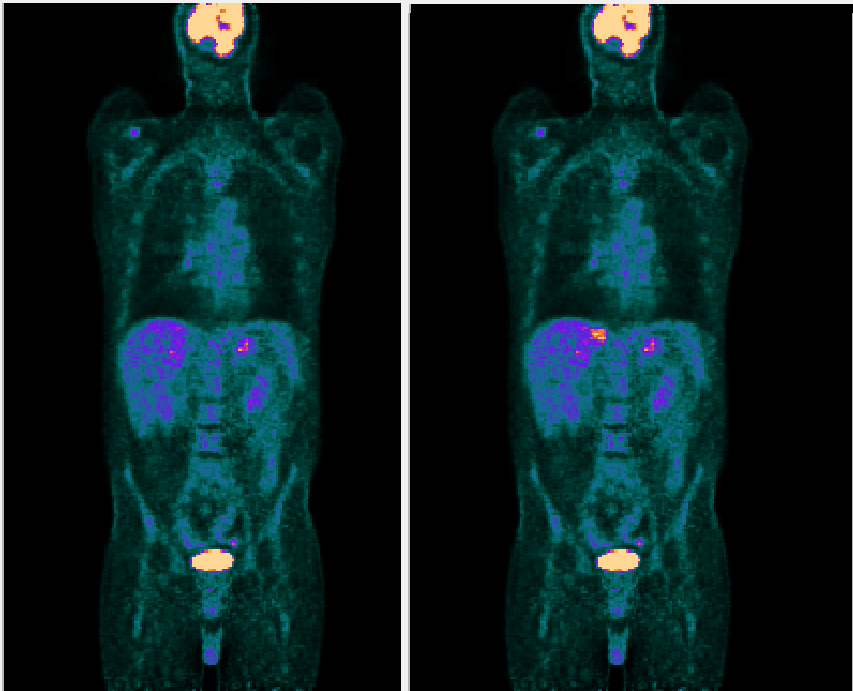
FDG PET-CT Image segmentation and lesion detection
Using analytical methods and machine-learning we are developing artificial intelligence (AI) for computer aided diagnosis (CAD) of FDG PET-CT studies. In collaboration with Hermes Medical Solutions we are enabling collaboration between human and machine observers using Hybrid3DTM to improve diagnostic accuracy, automatically generate templated clinical reports, and to provide active learning feedback to our AI.
Past Student: Odai Salman, PhD, Systems and Computer Engineering, Carleton University, Thesis.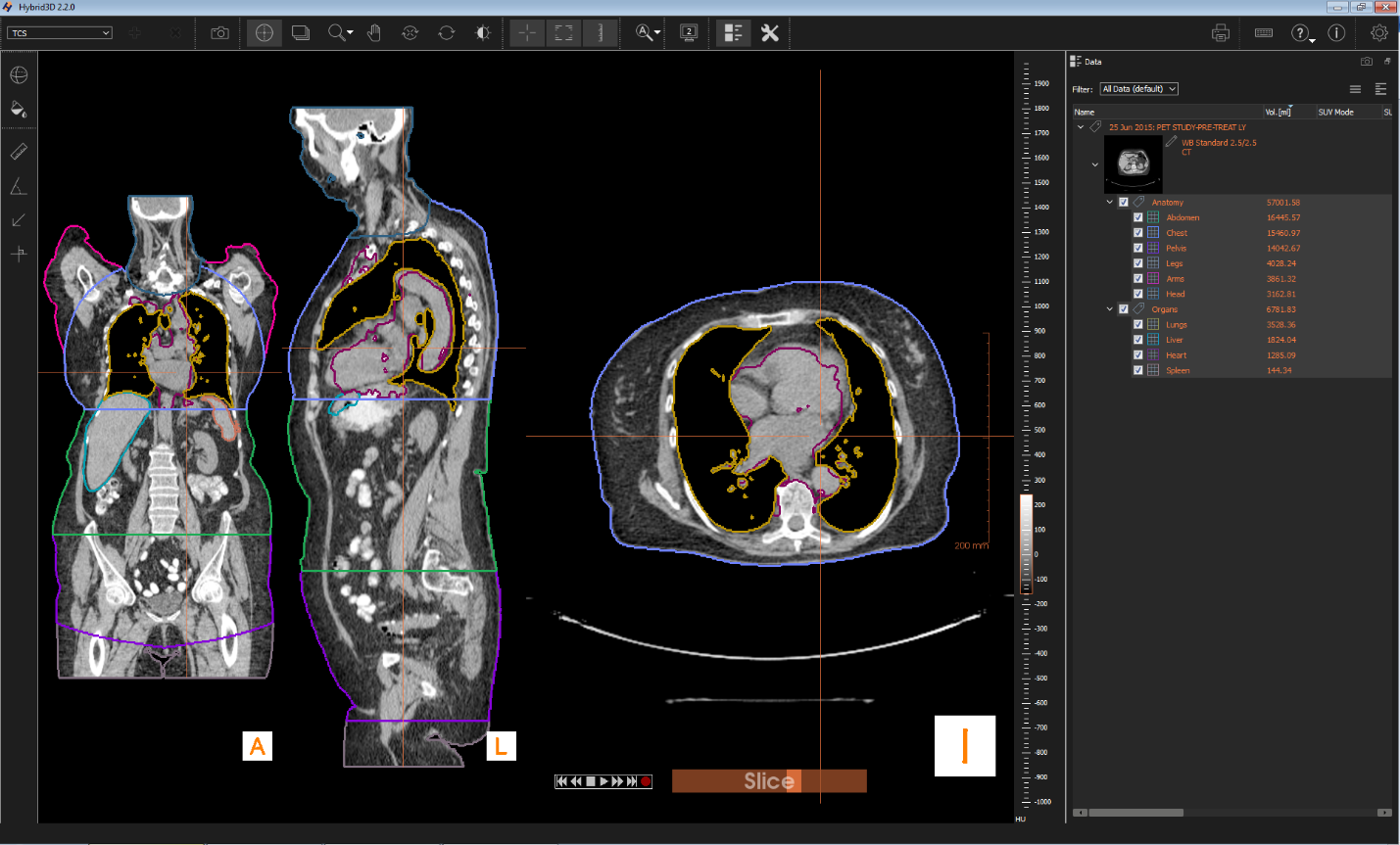
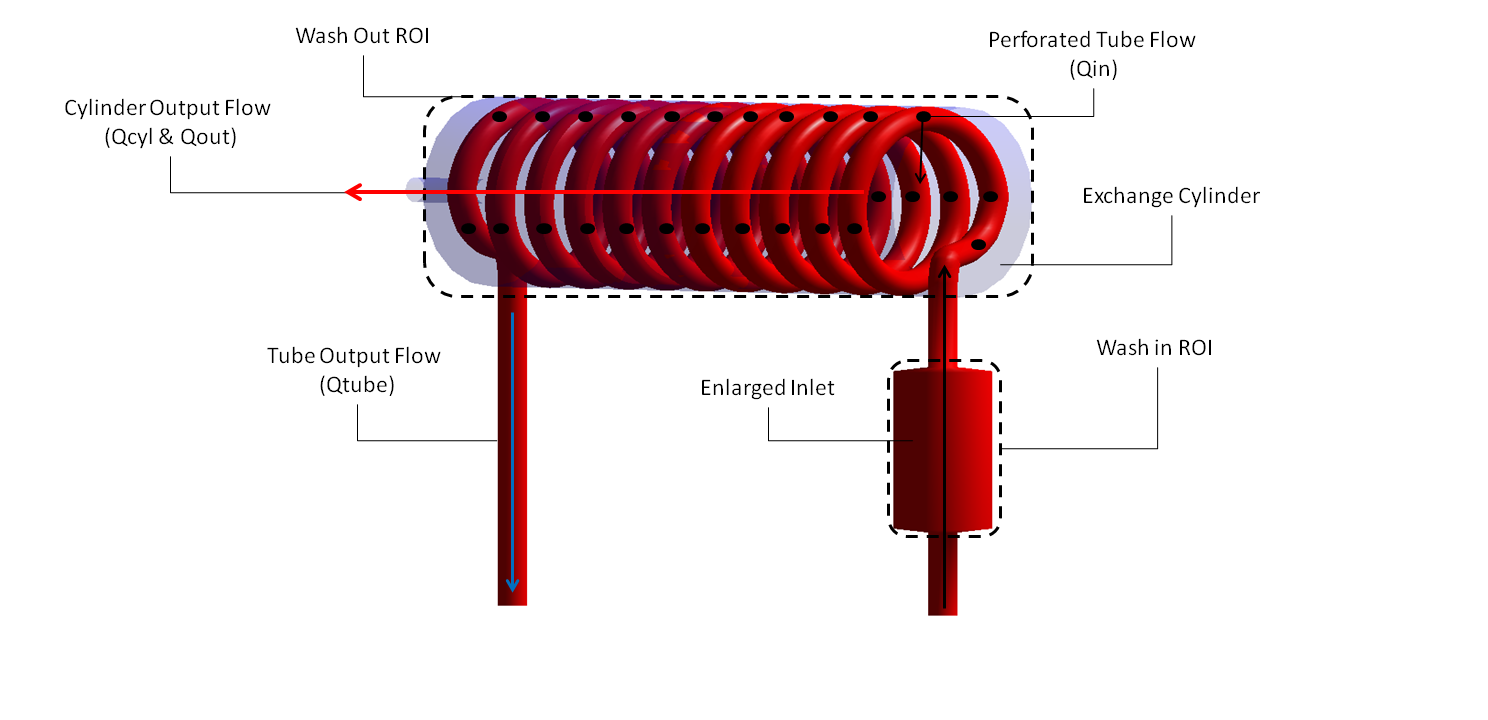
Two-compartment exchange phantom
With Catherine Coolens and Shelley Medical Solutions we have developed and validated a two-compartment exchange phantom for multimodality imaging. The DCE perfusion from phantom phantom can be used for validation of quantitative dynamic imaging including PET, SPECT, CT and MRI for modality development, qualification testing in clinical trials, and quality control.
Collaborators: C. Coolens
Student: Hanif Gabrani-Juma, BSc, Department of Systems and Computer Engineering, Carleton University
Industry partner: Shelley Medical Imaging Technologies
Quantitative SUV SPECT
Quantitative SPECT that can generate SUV scaled images has become routinely available, but its clinical utility is not yet clear. Since 2015 we have been increasingly applying SUV SPECT imaging in routine clinical practice to enable research of its clinical utility. To date we have produced numerous publication and abstracts using SUV SPECT and parathyroid adenomas, thyroid imaging and tumor imaging.
Collaborators: L. Zuckier, W. Zeng Industry partner: Hermes Medical Solutions
News


Publications
Artificial count enhancement in lung scintigraphy for acquisition acceleration and pseudo-planar generation
2026-09-14 Go to publicationClinical application of AI for lung lobe segmentation and functional quantification with SPECT/CT: open-source versus custom models
2026-06-10 Go to publicationAnalytical Models to Optimize Tacrolimus Dosing in Solid Organ Transplantation: A Systematic Review
2026-03-01 Go to publicationArtificial intelligence–enabled parametric mapping of myocardial blood flow with 82Rb positron emission tomography compared to 18F-flurpiridaz perfusion imaging: A paired pilot study of image quality
2025-11-01 Go to publicationThe SNMMI Procedure Standard/EANM Practice Guideline for Radionuclide Brain Perfusion Scintigraphy in Suspected Death by Neurologic Criteria (Brain Death) 3.0.
2025-09-05 Go to publication| Year | Source> | Amount |
| 2025-2030 | CIHR - HIV/AIDS and STBBI Research Initiative “Pathways to Functional Cure in Chronic Hepatitis B” P.I.: Coffin, Carla S Role: Co-applicant Portion of funds: $158,500 | $3,749,969 |
| 2024-2026 | MITACS Elevate “AI-generated Pseudoplanars for Ventilation/Perfusion Scans” - with Jubilant-Radiopharma as industry partner P.I.: R. Klein | $160,000 |
| 2023-2024 | INOVAIT Project Grant “AI Tools for the Workflow, Diagnosis, and Treatment Assessment for Pulmonary Embolism on Ventilation-Perfusion Scintigraphic Imaging” - with Jubilant-Radiopharma as industry partner P.I.: R. Klein | $125,000 |
| 2023-2024 | MITACS Elevate “Development of Spatial Normalization Methods for Ventilation-Perfusion Scintigraphic Images” - with Jubilant-Radiopharma as industry partner P.I.: R. Klein | $30,000 |
| 2022-2026 | MITACS Elevate “Artificial Intelligence for Lung Scintigraphy and Pulmonary Embolism” - with Jubilant-Radiopharma as industry partner | $146,667 |
| 2022-2027 | Canadian Institutes of Health Research (CIHR) Project Grant “Artificial Intelligence for the Prevention of Unplanned Dialysis” P.I.: G. Hundemer Role: Principle Applicant | $195,000 |
| 2020-2026 | Natural Sciences and Engineering Research Council (NSERC) Discovery Grant “Pushing the limits of detection with PET” P.I.: R. Klein | $199,000 |
| 2020-2023 | Natural Sciences and Engineering Research Council (NSERC) Discovery Accelerator Supplement “Improving the accuracy of cardiac PET with motion-free imaging” P.I.: R. Klein | $120,000 |
| 2017-2018 | Natural Sciences and Engineering Research Council (NSERC) Engage Grant “Integration of Human and Machine Observers for the Interpretation of Medical Images” P.I.: R. Klein | $25,000 |
| 2016-2017 | Ontario Cenres of Excellence (OCE) Voucher for Innovation and Productivity 1 (VIP1) “Quantitative Medical Imaging Validation Flow Phantom” P.I.: R. Klein | $20,000 |
| 2013-2018 | Natural Sciences and Engineering Research Council (NSERC) Discovery Grant “Improving the accuracy of cardiac PET with motion-free imaging” P.I.: R. Klein | $160,000 |
| 2014-2014 | Natural Sciences and Engineering Research Council (NSERC) Engage “Image Data De-identification for Biomedical Research” P.I.: R. Klein | $24,500 |
| 2014-2014 | Natural Sciences and Engineering Research Council (NSERC) Engage “Perfusion Flow Phantom using a Peristaltic Pump Flow Source of Multi-modality Medical Imaging” P.I.: R. Klein | $22,500 |
| 2014-2014 | Medical Imaging Trail Network of Canada (MITNEC) Mentorship Exchange Program “Myocardial Blood Flow Quantification with Computed Tomography” P.I. R. Klein | $5,000 |
| 2014-2018 | Canadian Institutes of Health Research (CIHR) Operating Grant “Translational Imaging of Coronary Endothelial Function with Positron Tomography” P.I.: R. deKemp (Role: collaborator) | $534,782 |
| 2014-2015 | Canadian Institutes of Health Research (CIHR) Bridge Funding “The Effects of Psoriatic Arthritis on coronary Flow Reserve and Markers of Inflammation and Evaluation of the Response to Biological Therapy” P.I.: G. Dwivedi (Role: collaborator) | $100,000 |
Thanks to our industry partners for their support: