Hidden heart risk: New study weighs stroke prevention against bleeding for subclinical atrial fibrillation
Patients with subclinical atrial fibrillation (SCAF), an irregular heartbeat detected by implanted devices like pacemakers, face a higher risk of stroke. To prevent blood clots from forming and traveling to the brain, treatment is often a prescribed oral anticoagulant (blood thinner). While these medications can prevent strokes, they also carry a risk of bleeding, making treatment decisions challenging.
A new study published in JAMA Cardiology set out to answer critical questions about bleeding: what are the types and severity of bleeding events and what factors predict bleeding? The international trial, Apixaban for the Reduction of Thromboembolism in Patients with Device-Detected Subclinical Atrial Fibrillation (ARTESiA), enrolled 3,961 adults with SCAF at sites around the world, with participants randomly assigned either apixaban twice daily or aspirin once daily for an average of three and a half years.
In the ARTESiA trial, apixaban significantly reduced the risk of stroke and systemic embolism compared to aspirin. However, it also increased the risk of major bleeding: in total, 133 patients experienced a major bleed — 86 in the apixaban group and 47 in the aspirin group. Major bleeding was defined as a serious event that caused a large drop in blood levels, requiring a transfusion, occurred in a critical area such as the brain, or was fatal. This ARTESiA sub-analysis showed that the excess bleeds on apixaban arose from the gastrointestinal tract and were not emergencies. The most severe bleeds (intracranial and fatal bleeding) were uncommon and similar between groups.

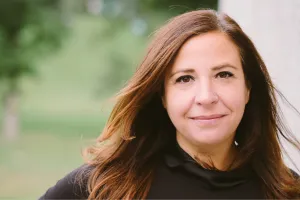
“These findings highlight the delicate balance between preventing strokes and avoiding harm from bleeding. For patients with SCAF, the decision to start blood thinners is a grey area. This study provides important evidence to guide those conversations, helping clinicians and patients weigh the benefits and risks together," says Dr. Deborah Siegal.
Researchers at The Ottawa Hospital (TOH) played an important role in this landmark trial, which was also co-led by the Population Health Research Institute and Duke Clinical Research Institute. According to the lead author, Dr. Deborah Siegal, hematologist and clinician-scientist at TOH and professor at the University of Ottawa: “These findings highlight the delicate balance between preventing strokes and avoiding harm from bleeding. For patients with SCAF, the decision to start blood thinners is a grey area. This study provides important evidence to guide those conversations, helping clinicians and patients weigh the benefits and risks together.”
Authors:
Deborah M. Siegal, Christian Sticherling, Jeff S. Healey, William F. McIntyre, Lene S. Christensen, Ratika Parkash, Thomas Vanassche, David Conen, Michael Gold, Christopher B. Granger, Jens Cosedis Nielsen, Marc Carrier, Daniel M. Wojdyla, Julia W. Erath, Lena Rivard, Valentina Kutyifa, David J. Wright, Renato D. Lopes
Funding:
Canadian Institutes of Health Research, Bristol-Myers Squibb‑Pfizer Alliance, Heart and Stroke Foundation of Canada, Canadian Stroke Prevention Intervention Network, Hamilton Health Sciences, Accelerating Clinical Trials (ACT) Network, Population Health Research Institute
Learn more about:
The Ottawa Hospital is a leading academic health, research and learning hospital proudly affiliated with the University of Ottawa and supported by The Ottawa Hospital Foundation.